
"present method"
9000 article(s) found

What is the third wave of coffee? What is special about the third wave of fine coffee?
At present, the most popular coffee in the coffee industry is fine coffee. Fine hand-brewed coffee completely presents the unique flavor characteristics of coffee producing areas, so that the personality of coffee completely blooms in the mouth. Single-serve coffee is also increasingly popular with coffee drinkers. So why boutique coffee why is it so popular, it's with instant coffee and Italian

At present, the most practical coffee hand-brewing course: hand-brewed coffee extraction steps
The extraction steps of hand-brewed coffee are as follows: 1 fold the filter paper and install it on the drip filter coffee machine, and the edge connecting part folds in the opposite direction along the line of the filter paper. 2 put in the coffee powder in accordance with the number of coffee powder, flatten the surface, the best amount of powder is medium grinding. Water quantity standard of coffee powder: 1 person: 12g / 120g-150cc 2: 20g / 300cc 3: 30g / 450cc 3 first time note

Water washing method for the primary processing of coffee beans
Washing is the most popular and widely used method of raw bean treatment at present, and most of the boutique coffee beans will choose the washing method. In South America, all countries except Brazil choose to wash raw beans. Washing is the most scientific and technological method among all the treatment methods, and multiple screening is used to ensure the uniformity and stability of coffee bean quality. First of all, still

Coffee fruit treatment method | Hartman red wine treatment principle? Yemeni Moka | Ethiopia Hara | Pakistan
Professional coffee knowledge exchange more coffee bean information please follow the coffee workshop (Wechat official account cafe_style) Coffee Fruit treatment method | Hartman wine treatment principle? Yemeni mocha | Ethiopian Hara | traditional Brazilian sun drying process? The red wine treatment of coffee beans, also known as red wine treatment, is inspired by the brewing technology of red wine. At present, only Goren

The method of washing the beans in the initial processing
Washing is the most popular and widely used method of raw bean treatment at present, and most of the boutique coffee beans will choose the washing method. In South America, all countries except Brazil choose to wash raw beans. Washing is the most scientific and technological method among all the treatment methods, and multiple screening is used to ensure the uniformity and stability of coffee bean quality. First of all, still
Water washing method for the primary processing of coffee beans
Washing is the most popular and widely used method of raw bean treatment at present, and most of the boutique coffee beans will choose the washing method. In South America, all countries except Brazil choose to wash raw beans. Washing is the most scientific and technological method among all the treatment methods, and multiple screening is used to ensure the uniformity and stability of coffee bean quality. First of all, still

Common roaster types of coffee beans at present
(1) Common roaster types 1. The hot air type bean dryer uses the blower to absorb the air, and then let the air raise its temperature through a heating coil, and use the hot air as the heating source to bake the coffee beans. hot air can not only provide the temperature needed for baking. you can also use the power of air to stir coffee beans and kill two birds with one stone. Advantages: high thermal efficiency, fast heating, raw beans

What kind of red wine treatment is it?
Professional coffee knowledge exchange more coffee bean information please pay attention to the coffee workshop (Wechat official account cafe_style) what is the treatment of red wine? The red wine treatment of coffee beans, also known as red wine treatment, is inspired by the brewing technology of red wine. At present, only eight estates in Colombia have successfully introduced coffee beans using this treatment to the market, according to

American machine, siphon kettle, French pressure kettle, hand punch, Italian machine, mocha kettle. Which is better?
People often ask: do different brewing methods need to be matched with different coffee beans? What's the difference between using an American machine and using a siphon pot to make the same kind of coffee beans? Which appliance is the best to make coffee at home? In order to answer these questions, teacher Cha has already started to write the first coffee masterpiece in my life. Don't be in a hurry. I believe I can't get a sorry in three or five.

The coffee is cloudy. What's going on?
At present, among the dozens of imported coffee beans, there are only dozens of groups with stable and popular quality, while different producing areas, natural environments, cultivation conditions, classification standards, processing methods and techniques, circulation routes and so on, all kinds of coffee beans have different personalities, the domination of nature, man-made methods, and the complex combination of commodity structure.

Grading of raw coffee beans
At present, there are three main rating criteria for raw coffee beans, and different countries adopt different rating methods according to their own production conditions and national conditions (not all coffee producing countries adopt the same method). Let's introduce these three popular rating methods. One: the reason for the emergence of such a classification standard according to the altitude of the coffee producing area is mainly because of the high level.

How to use the coffee maker? how to use the drip coffee maker?
The drip coffee pot is one of the most common coffee pots in the family at present, and it is loved by many users because of its simple and convenient use. The drip coffee pot is the simplest coffee brewing method, and the filter paper can be discarded immediately after being used once. It is more hygienic and easy to clean up. Save the troublesome operation, and it is easier to control the water temperature and the way of water injection, many friends who are new to coffee
Types of specialty coffee beans
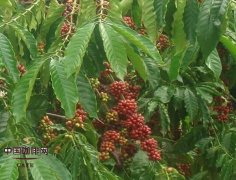
At present, the most important coffee beans mainly come from two varieties, namely coffeaarabica and coffeacanephore. The former is the so-called arabica growing coffee beans. The latter is also known as robusta to grow coffee beans. The plants, cultivation methods, environmental conditions, appearance, chemical composition and even the processing methods of the subsequent raw beans of the two kinds of coffee beans are different.

The basic knowledge of specialty coffee beans
At present, the most important coffee beans mainly come from two varieties, namely coffee arabica and coffee canephore. The former is the so-called arabica coffee bean. The latter is also known as robusta coffee beans. The two coffee beans differ in plant, cultivation, environmental conditions, shape, chemical composition, and even processing of subsequent green beans.
American machine, siphon kettle, French pressure kettle, hand punch, Italian machine, mocha kettle. Which is better?
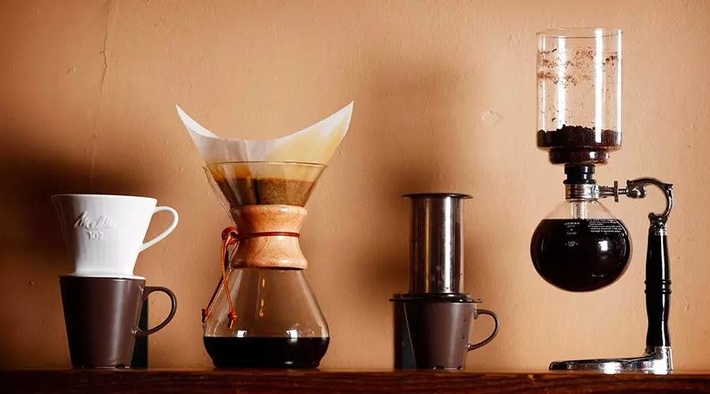
People often ask: do different brewing methods need to be matched with different coffee beans? What's the difference between using an American machine and using a siphon pot to make the same kind of coffee beans? Which appliance is the best to make coffee at home? In order to answer these questions, Mr. Cha has already started to write the first coffee masterpiece in my life. Don't be in a hurry. I believe you can't get out of the sorry in three or five years. Good.

Introduction to the Manor of Grinding scale treatment method for Coffee varieties in Crystal Mountain, Cuba
The longest river in Cuba, the Ro Cauto, is 370km long. [1] Cuba has more than 200 rivers and thousands of streams, most of which run north-south, so the current is shallow and fast. The Cato River, which flows east-west to the north of the Maestra Mountains, is the largest river in Cuba, but it is only 370 kilometers long and is the only navigable river in Cuba. Cuba's coastline is tortuous and average.
Coffee bean treatment-half-sun method
In order to improve the quality of coffee in Brazil, the Brazilian government has invented half-sun method and vigorously promoted it. At present, almost all high-quality coffee beans in Brazil use half-sun method to treat raw beans. It can be said that half-sun method has successfully improved the overall quality of Brazilian coffee. The pre-treatment method of the half-sun method is almost the same as the water washing method, first put the coffee fruit in a large water tank and remove it.
Company Commander Wang Jiang: thinking about the present from the Future
The world often regards the future as an untouchable distance, but ignores the magnificent business opportunities that the future shows. Entrepreneurs who ride the tide of business should not only have the ideological realm of high position, broad vision and benefit to others, but also have the vision to predict and think about the future development trend of enterprises, industries and society. how to clearly understand, analyze, judge and think about the future trend
Explanation of the washing method for the primary processing of coffee beans
Washing is the most popular and widely used method of raw bean treatment at present, and most of the boutique coffee beans will choose the washing method. In South America, all countries except Brazil choose to wash raw beans. Washing is the most scientific and technological method among all the treatment methods, and multiple screening is used to ensure the uniformity and stability of coffee bean quality. First of all, still

Apaneca production area of San Ana Volcano in El Salvador | semi-washing + semi-honey treatment | Chocolate Lover Manor
Professional coffee knowledge exchange more coffee bean information please follow the coffee workshop (Wechat official account cafe_style) El Salvador Santa Ana volcano Apaneca production area | half washing + half honey treatment | the bourbon flavor of Chocolate Lover Manor? It is a farm in the Santa Ana volcanic area of Santa Ana, El Salvador, 13001500 meters above sea level, on the hillside of the volcanic belt.